
Top 10 Security Mistakes That Increase Cyber Risk
Cybersecurity threats continue to evolve, and businesses of every size are targets. While many organizations invest in security tools, breaches often occur because of preventable mistakes rather than sophisticated hacking techniques.
Many cyber incidents are caused by common gaps in security practices, weak policies, or simple human error. Understanding these mistakes can help organizations strengthen their defenses and reduce their overall cyber risk.
Below are ten of the most common security mistakes that increase cyber risk for businesses.
Using Weak or Reused Passwords
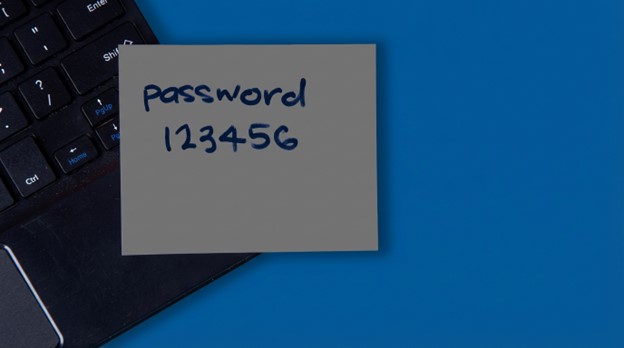
Weak passwords remain one of the easiest ways for attackers to gain access to systems and accounts. Many users still rely on simple passwords or reuse the same credentials across multiple platforms.
If one account becomes compromised, reused passwords can allow attackers to access multiple systems quickly. Strong, unique passwords and the use of password management tools significantly reduce this risk.
Failing to Enable Multi Factor Authentication
Multi factor authentication adds an additional layer of protection beyond passwords. Without it, stolen credentials can provide attackers with immediate access to systems and sensitive data.
Organizations that fail to implement multi factor authentication leave themselves vulnerable to phishing attacks, credential theft, and unauthorized access attempts.
Ignoring Software Updates and Security Patches
Software updates often contain security patches that fix known vulnerabilities. When organizations delay updates or ignore them entirely, attackers can exploit these known weaknesses to gain access to systems.
Automated patch management and routine updates are critical to maintaining a secure technology environment.
Lack of Employee Cybersecurity Training
Employees are often the first line of defense against cyber threats. Without proper training, staff may unknowingly click malicious links, fall for phishing emails, or mishandle sensitive information.
Security awareness training helps employees recognize common threats and respond appropriately, reducing the likelihood of successful attacks.
Over Reliance on Antivirus Software
Antivirus tools are important, but they should not be the only cybersecurity measure in place. Modern cyber threats often bypass traditional antivirus solutions through advanced techniques such as phishing, credential theft, and social engineering.
A layered cybersecurity approach that includes monitoring, endpoint protection, network security, and employee training provides stronger protection.
Not Backing Up Critical Data
Data backups are essential for business continuity. Without reliable backups, organizations may be unable to recover quickly from ransomware attacks, system failures, or accidental data loss.
Regular backups and recovery testing help ensure businesses can restore critical data when incidents occur.
Lack of a Formal Incident Response Plan
Even well protected organizations may eventually experience a cybersecurity incident. Without a defined response plan, teams may struggle to contain the threat, communicate effectively, and recover operations.
An incident response plan outlines the steps to take during a breach, helping minimize downtime, financial loss, and reputational damage.
Ignoring Third Party and Vendor Risk
Many businesses rely on vendors, software providers, and external partners to support their operations. If those partners have weak security practices, they can become entry points for attackers.
Regularly evaluating vendor security and monitoring third party access can help reduce supply chain risks.
Poor Network Monitoring and Visibility
Without continuous monitoring, suspicious activity can go unnoticed for long periods of time. Many cyberattacks involve attackers gaining access and remaining undetected while they move through systems or steal data.
Monitoring tools, security alerts, and threat detection systems help identify unusual behavior before it becomes a major incident.
Assuming Your Business Will Not Be Targeted
One of the most dangerous cybersecurity mistakes is assuming your organization is too small or unimportant to be targeted. In reality, small and mid sized businesses are frequent targets because attackers often view them as easier entry points.
Cybersecurity should be treated as a core business risk rather than an optional investment. Organizations that prioritize security are far better positioned to protect their systems, data, and customers.
Reducing Cyber Risk With the Right Technology Strategy
Cybersecurity is not just about installing security software. It requires a comprehensive approach that combines technology, processes, and employee awareness.
Businesses that regularly assess their security posture, implement layered protection, and stay proactive about emerging threats are far better equipped to reduce risk.
At Remington Computer Services, we help organizations strengthen their technology infrastructure and improve cybersecurity readiness. By identifying vulnerabilities and implementing modern security solutions, businesses can operate with greater confidence while protecting their most valuable digital assets.
Remington Computer Services has been serving the Rhode Island, Connecticut and Massachusetts area since 2010, providing IT Support such as technical helpdesk support, computer support and consulting to small and medium-sized businesses. Our experience has allowed us to build and develop the infrastructure needed to keep our prices affordable and our clients up and running. Schedule a complimentary consultation today.






Leave a Reply
Want to join the discussion?Feel free to contribute!